How to Read Nutrition Labels Without Overthinking
Compare nutrition labels more confidently using consistent portions, a clear shopping priority and the information that matters to you.
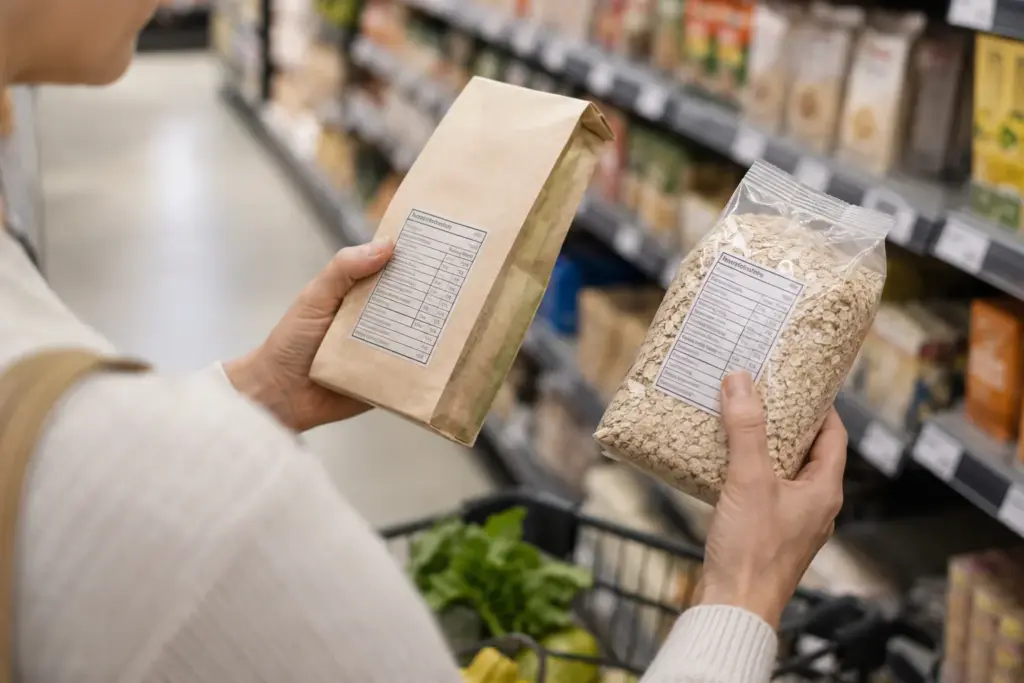
Learning how to read nutrition labels can make shopping less confusing. The aim is not to calculate every mouthful or label foods as good and bad. It is to compare similar products fairly and choose something that fits your needs, preferences and budget.
Packaging formats vary by country and product. The NHS guide explains the usefulness of per-100-gram or per-100-millilitre information and serving information. Use the numbers on the actual pack in front of you, rather than assuming every brand uses the same serving size.
Compare like with like
When comparing two cereals, sauces or yoghurts, use the same measurement column. Comparing one product's small suggested serving with another product's 100-gram figure gives a misleading impression. Once you have compared the products, consider the amount you are likely to eat.
Keep the purpose of the food in mind. A condiment and a main meal do different jobs, so their numbers are not directly interchangeable. A single nutrient cannot describe everything about a food.
Choose one useful priority
For a first comparison, focus on something relevant to the product. You might compare fibre in breads, sugar in similar drinks, or salt in similar savoury sauces. If a health professional has given you specific dietary guidance, use that guidance to decide which information matters most.
For example, if two similar packs show 4 grams and 7 grams of fibre per 100 grams, the second has more fibre by weight. Those are illustrative numbers, not a recommendation for a brand or a complete judgement of the product.
Check beyond the nutrition panel
- Read the ingredient list when you need to understand what is included.
- Check allergen information every time if an allergy is relevant; recipes and packaging can change.
- Compare the unit price as well as the pack price.
- Consider whether you enjoy the product and can use it before it spoils.
Front-of-pack claims can be useful clues, but they are not a replacement for the full label. Take a moment with the back of the pack before paying extra for a prominent health claim.
Should I check every label on every trip?
You can begin with one regular purchase and build confidence gradually. Keep a few suitable favourites, while rechecking information relevant to allergies or treatment. Labels should help you make decisions, not turn routine shopping into an exhausting test.
Sources and further reading
NHS: Food labels. The practical planning examples in this article are Wellbeing suggestions; adapt them to your circumstances.