Low-Cost Hobbies for Adults: Find Something You Enjoy
Explore low-cost hobbies with small first steps, sensible spending limits and options for different energy levels and available space.
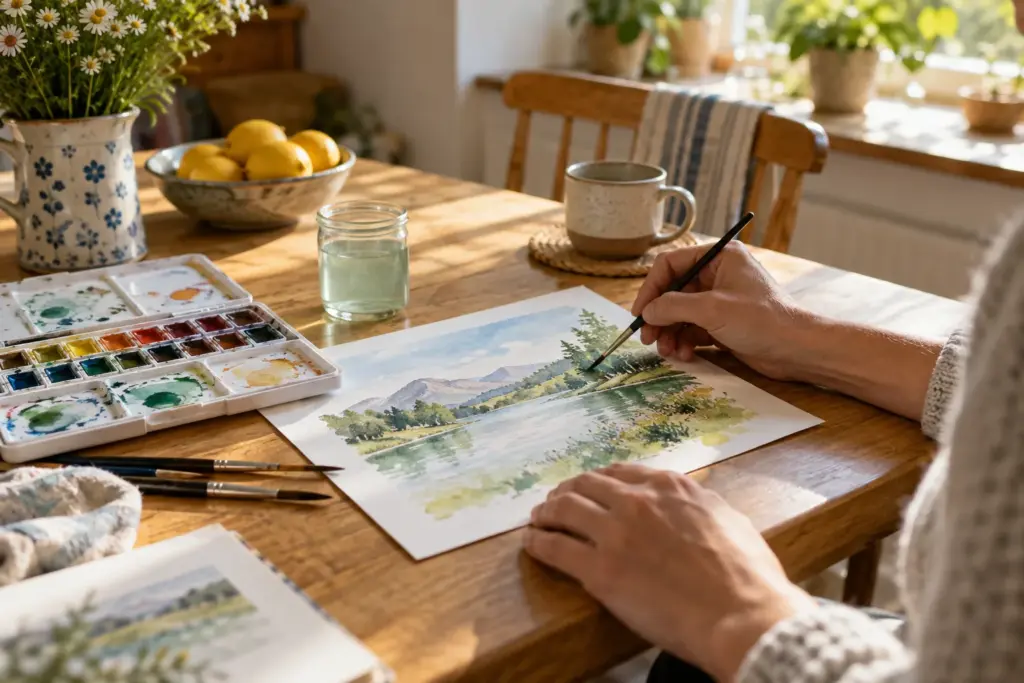
Low-cost hobbies for adults begin with curiosity rather than a shopping list. You can try an activity before buying specialist equipment, joining a long course or promising to become good at it. The first goal is to discover whether you enjoy spending time on it.
The NHS includes learning new skills among its steps to wellbeing. Learning can be informal and modest; it does not have to produce a qualification or a source of income.
Choose the kind of experience you want
Consider whether you want quiet time, social contact, movement or a creative outlet. Also think about your available energy. An activity that sounds appealing on a free Saturday may not suit a tired weekday evening.
List any practical limits, such as noise, storage, transport or hand mobility. Those limits can help you choose a good starting point rather than making a hobby feel like another thing that does not fit your life.
Try a small experiment
- Sketch a familiar object with a pencil and paper you already have.
- Read a short library book or join an accessible reading group.
- Learn a simple mending skill on an old piece of fabric.
- Photograph interesting colours or shapes using an existing phone.
- Explore a suitable community activity after checking cost and accessibility.
Availability and prices vary, so confirm details before attending. Borrowing or buying a small starter quantity can be more sensible than investing in a complete kit immediately.
Keep the first commitment light
Choose a short session or a single introductory event. Afterwards, ask whether you enjoyed the process, not whether the result was impressive. Keep what worked and change what did not. An activity is allowed to remain casual.
If you join a group, look for a welcoming environment where questions are normal and beginners are not pressured to buy more. Protect your personal information and use ordinary care when meeting new people.
What if I lose interest quickly?
You have still learned something about your preferences. Consider whether the activity was unsuitable, the setup was too complicated or the session happened at a difficult time. Try a smaller version if you want to, or choose something else. A hobby does not need to become a lifelong identity to be a worthwhile way to spend an afternoon.
Sources and further reading
NHS: Five steps to mental wellbeing. The practical planning examples in this article are Wellbeing suggestions; adapt them to your circumstances.