Declutter One Small Space Without Getting Overwhelmed
Make a small space easier to use with a clear boundary, a simple sorting process and a stopping point that avoids a bigger mess.
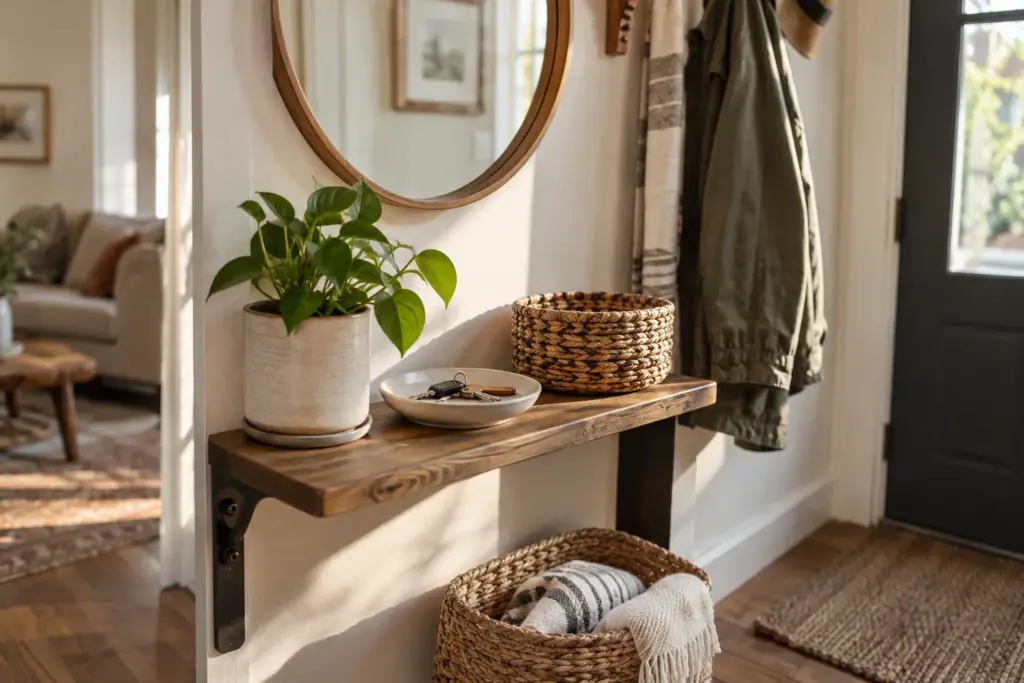
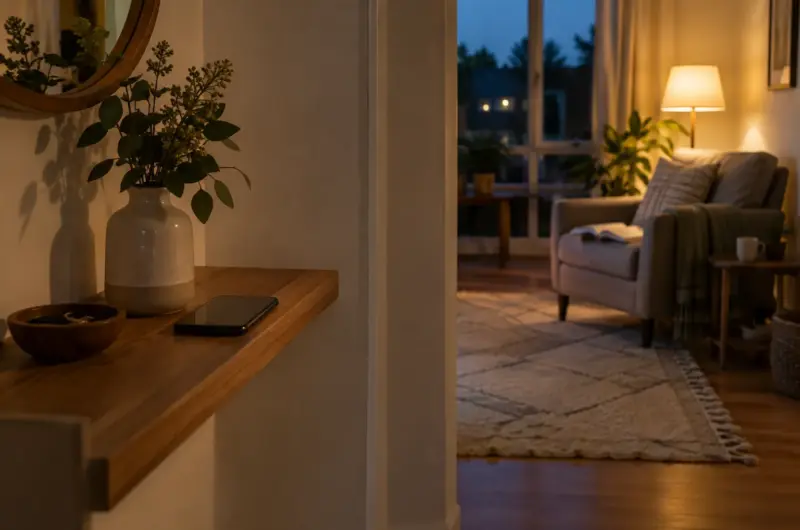
Decluttering one small space is a practical home project, not a test of how disciplined you are. Start with a place that repeatedly gets in your way: a bedside surface, a drawer or the area where you leave your keys. The aim is to make that specific space easier to use.
There is no need to connect the task to a promise of better mental health. A tidy drawer may be convenient, but it is not a treatment for anxiety, depression or difficulties with hoarding.
Set a boundary you can finish
Choose an area small enough to sort and put back within the time available. Avoid emptying an entire cupboard if you only have a short window. Keep walkways and exits clear while working.
Decide what the space is for before moving anything. A drawer intended for everyday stationery needs different contents from a place for important documents. That simple decision makes later choices more concrete.
Sort by the next action
- Keep here: items you use in this space.
- Move elsewhere: items with an existing home in another place.
- Decide later: a small, clearly bounded group that needs more thought.
- Remove appropriately: items to recycle, donate or dispose of safely.
Do not discard another person's belongings without agreement. Set aside medicines, batteries, personal documents and electronics for suitable handling rather than putting everything in a general waste bag. Check local disposal options when needed.
Put things back before expanding
Return the useful items, making frequently used ones easy to reach. Then complete the small follow-up actions, such as moving a book to its shelf. Finish this area before starting another. Otherwise, a small improvement can turn into several piles that remain in the way.
Buying organisers is optional. Use the space first and notice what problem remains. A new container helps only if its size and purpose fit the items you actually keep.
What if deciding is distressing?
Pause and choose a less emotionally loaded area, or ask a trusted person for appropriate support. Persistent difficulty discarding items or unsafe living conditions may need professional help. For broader wellbeing, the NHS suggests options such as connection and enjoyable activity; cleaning should not become the sole measure of whether you are taking care of yourself.
Sources and further reading
NHS: Five steps to mental wellbeing. The practical planning examples in this article are Wellbeing suggestions; adapt them to your circumstances.