Everyday Hydration Habits Without the Water Rules
Make drinking enough easier with accessible fluids, realistic reminders and an understanding that individual hydration needs can vary.
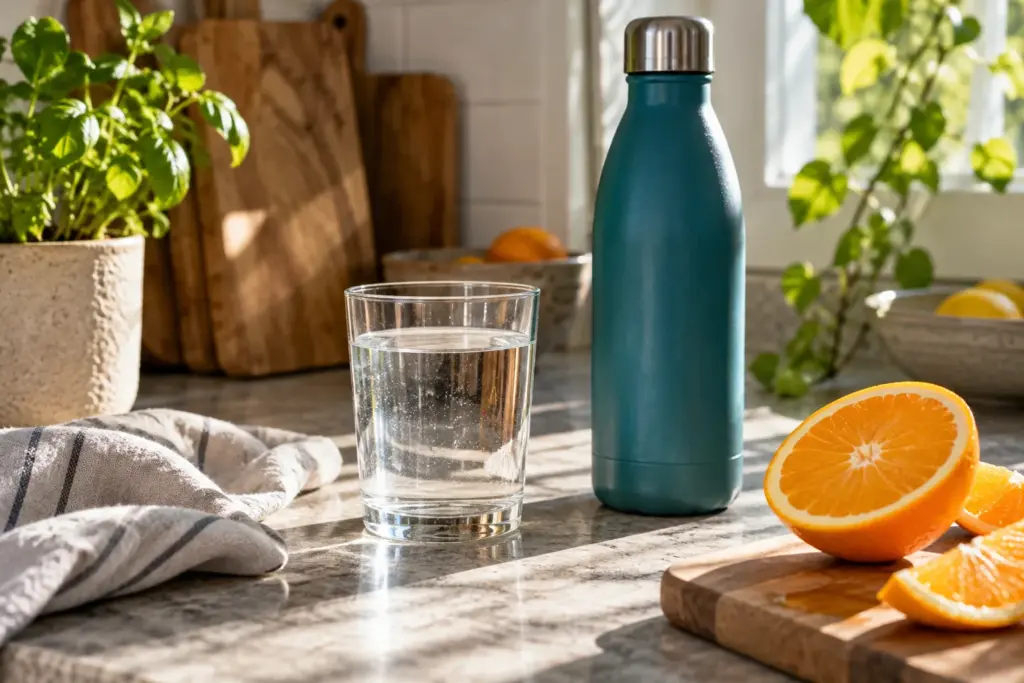
Everyday hydration habits do not require an oversized bottle or a rigid drinking challenge. Start by making suitable fluids easy to access during your normal day. The most useful routine is one that fits your environment, activity and individual needs.
The NHS describes six to eight cups or glasses of fluid daily as a general guide, not a rule for everyone. Needs may rise with heat, prolonged activity, illness, pregnancy or breastfeeding. Some medical conditions require different advice.
Make access easier
Keep a clean cup or bottle where you can use it safely. At work, check where you can refill it and whether breaks need planning. For a journey, think about the duration, weather and reliable access to drinking water before setting off.
If you care for someone else, consider whether they can reach, hold and use their drink comfortably. Accessible containers and regular offers may be more helpful than simply placing a large bottle nearby.
Use ordinary reminders
Pair a drink with an existing pause, such as a meal or a break between tasks. You can use a reminder if it helps, but frequent alarms are unnecessary if you are already drinking comfortably throughout the day.
Water is a practical choice, and other drinks can contribute to fluid intake. Consider caffeine, added sugar and your own needs when choosing them. There is no need to buy specialised hydration products for an ordinary day simply because the packaging makes them sound essential.
Adjust the plan to the situation
- Take account of hot conditions and longer periods of activity.
- Check that the water source is safe to drink.
- Keep bottles and reusable cups clean.
- Follow individual advice if you have been told to limit or monitor fluids.
Do not rapidly force large amounts of water to meet a challenge. More is not automatically better. A general online target should never override a fluid restriction or a clinician's instructions.
Can urine colour tell me everything?
No. Pale yellow urine can be a useful general guide, but medicines, foods and health conditions can affect colour. It is not a diagnosis. Seek medical advice for concerning symptoms or difficulty keeping fluids down. The practical aim is regular access to appropriate drinks and a routine that responds to your circumstances, rather than perfect compliance with a bottle's printed timetable.
Sources and further reading
NHS: Water, drinks and hydration. The practical planning examples in this article are Wellbeing suggestions; adapt them to your circumstances.