A Walking Plan for Beginners That Fits Real Life
Start walking with a flexible beginner plan, practical route ideas and simple ways to build consistency without chasing a daily step target.
A walking plan for beginners works best when the first walk feels manageable. You do not need a fitness watch, a mountain trail or an ambitious step target. Start with a place you can reach safely and an amount of time you can realistically repeat.
The NHS notes that a brisk ten-minute walk can contribute to your weekly activity. Your starting point may be shorter or slower, and that is a sensible place to begin.
Choose your easiest route
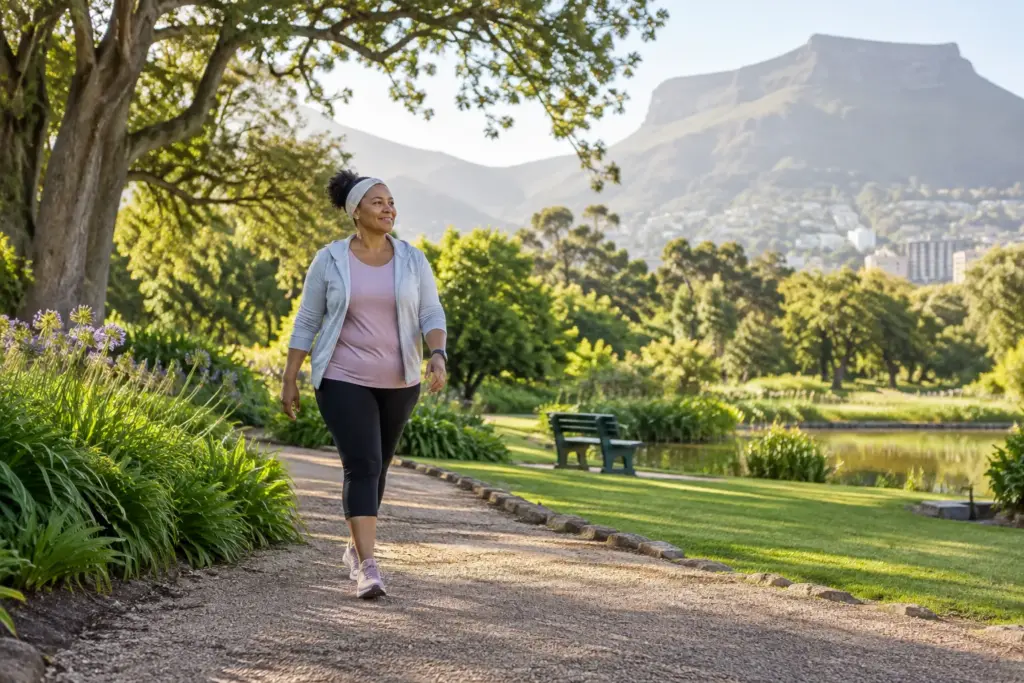
Look for an even surface, a clear turnaround point and a route that suits the weather and your mobility. A short circuit near home may be more useful than a beautiful route that requires a long drive. If outdoor access is limited, a clear indoor route is another option.
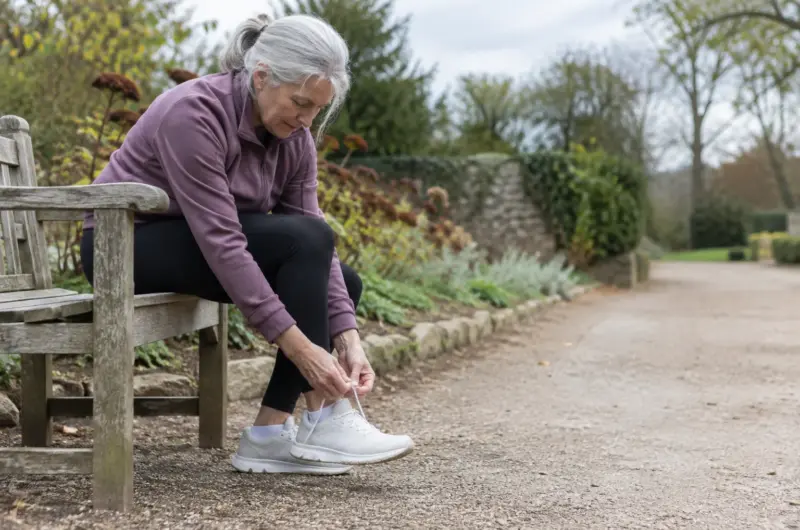
Comfortable, supportive shoes matter more than matching exercise clothes. Before leaving, think about visibility, road crossings and whether you need water or sun protection. Tell someone your route when that would help you feel safer.
Try a flexible first week
- First outing: walk at an easy pace for a few minutes and notice how you feel.
- Next outing: repeat the same route rather than automatically going farther.
- Later in the week: add a little time if the earlier walks felt comfortable.
- On a busy day: use the shortest version of your route, or reschedule without trying to make up a missed session.
This is an example for building a routine, not an exercise prescription. Rest, access needs and individual health advice take priority over completing a calendar.
Make progress without chasing numbers
After a walk, note one useful detail: whether the route was enjoyable, how your shoes felt or which time of day worked. These observations can help you make the next outing easier to organise. A simple tick on a calendar is enough if detailed tracking feels like another chore.
Build up gradually. If you have symptoms, an injury or a health condition that affects activity, ask a qualified health professional about a suitable starting point. Stop if you develop pain, dizziness or unusual breathlessness; urgent symptoms need prompt medical attention.
Do I need to walk every day?
No. Choose a pattern you can maintain and adapt it as circumstances change. Walking can sit alongside other movement you enjoy. The useful question for next week is not whether every day was perfect, but what would make another comfortable walk easier to start.
Sources and further reading
NHS: Walking for health. The practical planning examples in this article are Wellbeing suggestions; adapt them to your circumstances.